How Regional Licensing Rules Shape Innovative Game Blends and Payout Structures in Portable Entertainment Platforms
Written by Paul Hansen · Aug 15, 2026
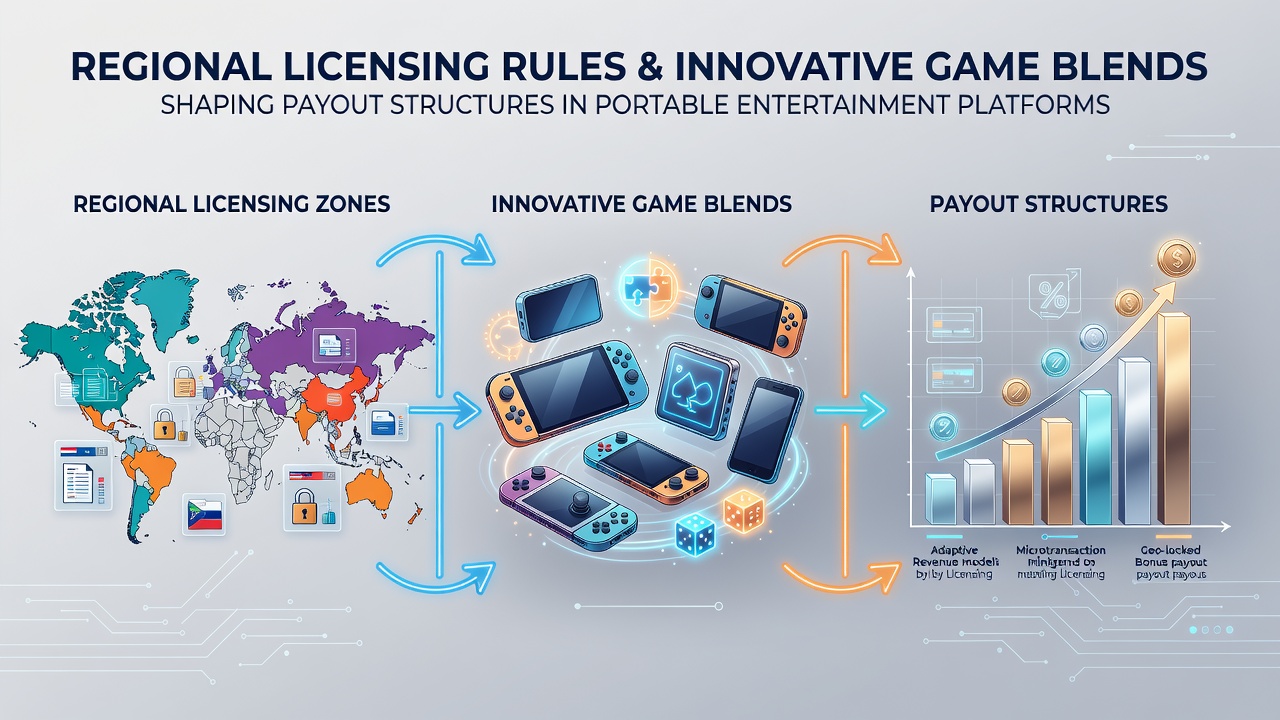
How Regional Licensing Rules Shape Innovative Game Blends and Payout Structures in Portable Entertainment Platforms
Regional licensing rules continue to influence game development and payout mechanisms across portable entertainment platforms as operators adapt to jurisdiction-specific requirements, and data from industry reports show these frameworks often determine which hybrid formats reach mobile users first. In many markets regulators set parameters around game categories, return-to-player percentages, and integration of live dealer elements with automated reels, which in turn shapes the combinations available on smartphones and tablets.
Licensing Variations Across Major Markets
North American states maintain distinct approaches that affect portable platforms, with Nevada emphasizing strict controls on payout transparency while New Jersey permits broader experimentation with blended reel and dealer formats, and observers note these differences lead operators to adjust their mobile offerings accordingly. European jurisdictions apply their own layers of oversight, where Malta's licensing model supports cross-border mobile access to hybrid games but requires clear separation of automated and live components, whereas Germany's framework imposes tighter payout caps that influence how developers structure bonus rounds in portable apps.
Impact on Game Blends
Rules around game classification often push creators toward specific mixes, and licensing bodies in Asia-Pacific regions such as Australia's state commissions require separate approvals for slot-table hybrids, which encourages developers to release modular mobile versions that users can customize within approved parameters. Research from the American Gaming Association indicates that platforms operating under multiple licenses frequently feature tiered game libraries where certain blends appear only in jurisdictions with compatible regulations, and this pattern has become more pronounced as mobile hardware supports smoother transitions between automated spins and interactive tables.
Payout Structures Under Regulatory Scrutiny
Payout requirements tied to licenses directly affect how operators configure return rates and withdrawal timelines in portable environments, and evidence from regulatory filings reveals that regions with higher tax burdens on gaming revenue sometimes mandate lower minimum RTP thresholds to maintain operator viability. In August 2026 several jurisdictions plan to review these structures as part of broader digital platform assessments, which analysts expect will prompt further refinements in mobile payout algorithms to align with updated compliance standards.
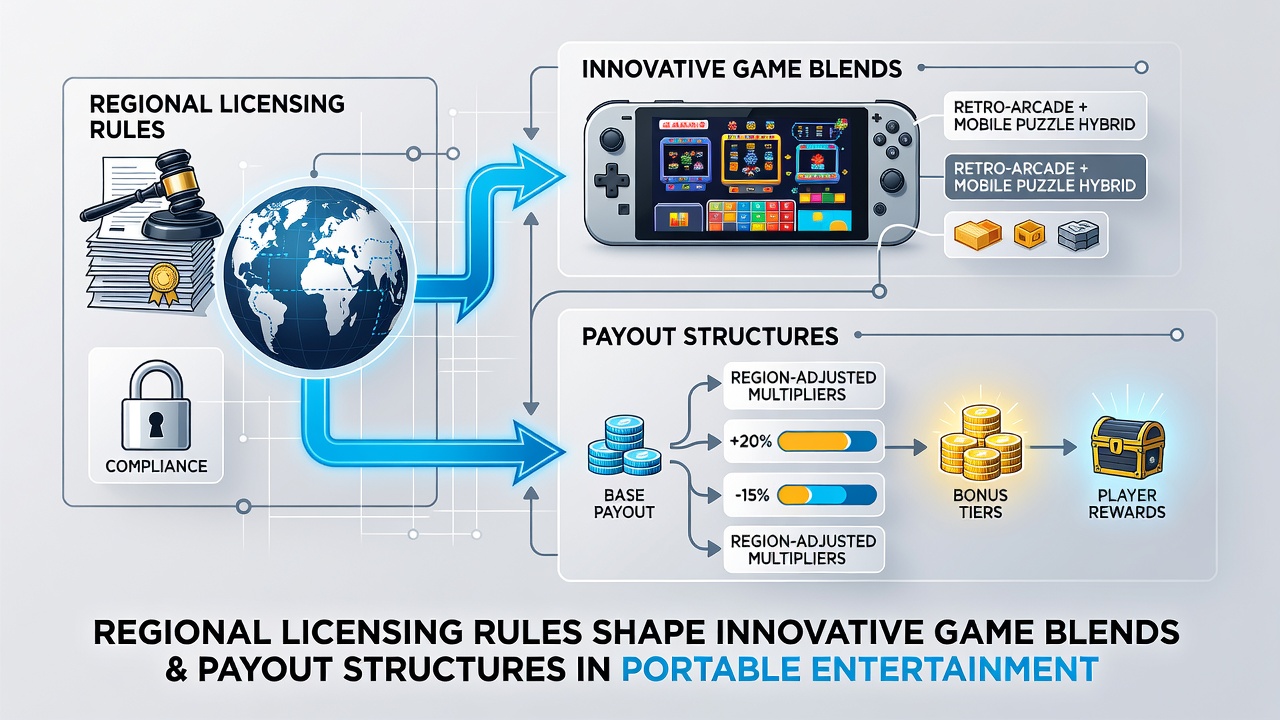
Operators respond by designing flexible payout engines that adjust based on user location, and this approach allows a single platform to serve diverse regulatory zones without violating local rules on prize distribution. Data from Canadian provincial regulators shows that licensed mobile services in Ontario have adopted segmented payout pools for hybrid games, separating contributions from reel-based and live elements to meet transparency mandates.
Portable Platform Adaptations
Developers integrate licensing constraints into app architecture early in the design process, and this leads to features such as geo-fenced game catalogs and dynamic payout displays that update according to the active license. Studies from research institutions in Singapore highlight how platforms licensed under the Remote Gambling Act incorporate real-time compliance checks that verify both game blend eligibility and payout calculations before sessions begin, and similar mechanisms appear in European mobile ecosystems where cross-border play requires synchronized regulatory alignment.
Future Regulatory Trends
Industry groups project continued evolution in how licenses govern portable entertainment, and organizations such as the American Gaming Association track these shifts through annual reports that detail changes in game approval processes. Meanwhile, data compiled by Australian state authorities shows rising numbers of hybrid titles submitted for mobile certification, reflecting operator efforts to balance innovation with compliance across regions.
Conclusion
Regional licensing frameworks establish the boundaries within which portable platforms develop game blends and payout structures, and ongoing reviews scheduled through 2026 will likely reinforce this relationship as regulators refine standards for mobile delivery. Operators that navigate these rules successfully maintain access to wider audiences by aligning technical features with jurisdictional demands, while platforms that fail to adapt face restricted market entry.