Examining Layered Incentive Structures and Their Effects on Automated Versus Interactive Card Game Choices in Mobile Applications
Written by Felix Butler · Aug 17, 2026
Examining Layered Incentive Structures and Their Effects on Automated Versus Interactive Card Game Choices in Mobile Applications
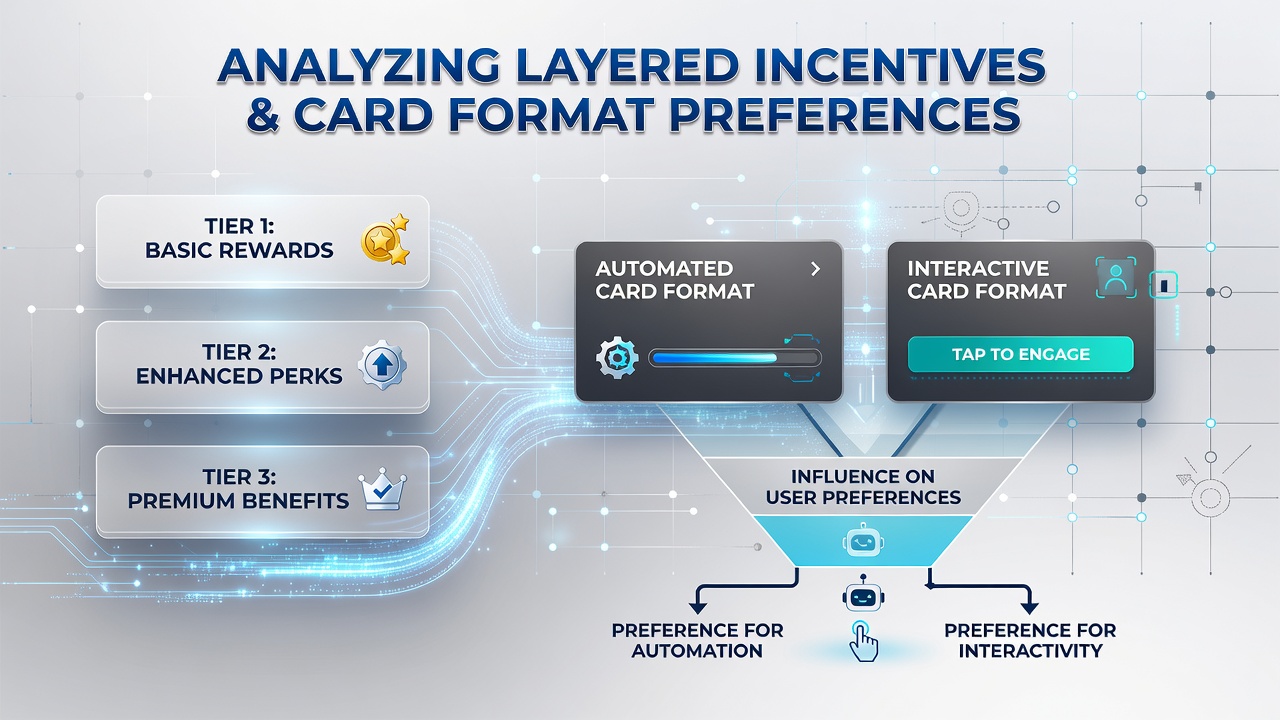
Layered incentive programs in app-based casino environments typically combine tiered loyalty points, deposit matches, cashback percentages, and milestone bonuses that scale with player activity, and these structures have drawn attention from researchers tracking format preferences between automated card games and interactive live dealer sessions.
Defining Layered Incentive Programs in Digital Casino Apps
Layered systems often start with entry-level rewards such as welcome bonuses and daily login credits, then progress through silver, gold, and platinum tiers that unlock higher cashback rates, exclusive tournament access, and personalized free spins or table credits. Data from multiple platform analytics reports indicate that players who reach mid-tier status show measurable shifts in session length and game selection patterns, particularly when incentives tie directly to time spent on specific card formats.
Automated card formats rely on random number generators and algorithmic dealers, while interactive versions feature live human dealers streamed through app interfaces with real-time chat and betting options. Studies compiled by gaming research groups show that reward structures can tilt engagement toward one format over the other depending on how bonuses apply to minimum bets or session requirements.
Patterns Observed in Player Format Selection
Platform data collected through 2025 and into August 2026 reveal that players receiving escalating cashback on automated blackjack or baccarat tables tend to extend sessions in those formats, whereas incentives linked to minimum live dealer table stakes correlate with increased time in interactive environments. One analysis of cross-platform metrics found that users at higher loyalty tiers completed 28 percent more interactive card rounds when rewards included live table rake credits compared with peers who received only automated game multipliers.
Researchers tracking retention across several major networks noted that combined incentives, such as tiered points that convert to live dealer entry tickets, produced clearer preference migration than single-format bonuses alone. This migration appeared most pronounced among users who had already reached gold tier status and received notifications about upcoming live dealer promotions.

Regional Data and Platform Comparisons
Figures released by the Alcohol and Gaming Commission of Ontario in mid-2026 highlighted differences in reward redemption rates between automated and interactive card offerings within regulated mobile apps. Players who accumulated layered rewards through automated formats showed higher overall deposit volumes, yet those who transferred points into live dealer access demonstrated longer average session durations per visit.
Academic work from institutions including the University of Nevada, Reno has examined how reward timing influences these choices, with findings suggesting that immediate post-session bonuses tied to interactive tables can increase repeat logins to live formats by measurable margins. The same reports note that automated formats benefit more from volume-based multipliers that reward frequent short sessions rather than extended single-table play.
Mechanics Linking Rewards to Format Preferences
App developers often structure incentives so that automated card games accumulate loyalty points at a base rate while interactive sessions earn accelerated points once players exceed certain bet thresholds. This design creates a feedback loop where users chasing higher tiers may initially favor automated speed for quicker point gains before shifting toward interactive formats once they unlock live-specific perks such as dealer chat privileges or tournament entries.
Platform operators have reported that players receiving mixed reward bundles, combining automated cashback with interactive table credits, maintain more balanced format usage than those limited to single-category incentives. Observers tracking these trends note that the distribution of rewards across both formats appears to stabilize retention rates compared with heavily skewed programs.
Conclusion
Current platform metrics and regulatory summaries indicate that layered incentive programs exert measurable influence on whether users gravitate toward automated or interactive card formats in mobile environments. The specific design of tier thresholds, point conversion rules, and format-specific bonuses shapes these patterns in ways that continue to evolve alongside app features and regional regulations through 2026.